There’s a moment in the life of most growing operations where someone decides the answer is software.
The warehouse is a mess, the spreadsheets have spreadsheets, nobody trusts the stock numbers, and orders are slipping through the cracks. So the leadership team does what feels logical: they go shopping. A new ERP. A WMS. An order management system. Something with a slick demo and a salesperson who nods along to every problem and says, “yes, our platform handles that.”
Six figures and nine months later, the operation is often worse. Slower. More frustrated. And now there’s an expensive system everyone quietly works around.
I’ve seen this play out enough times that I want to say the uncomfortable thing out loud: most of the time, the software wasn’t the problem, and the software was never going to be the solution.
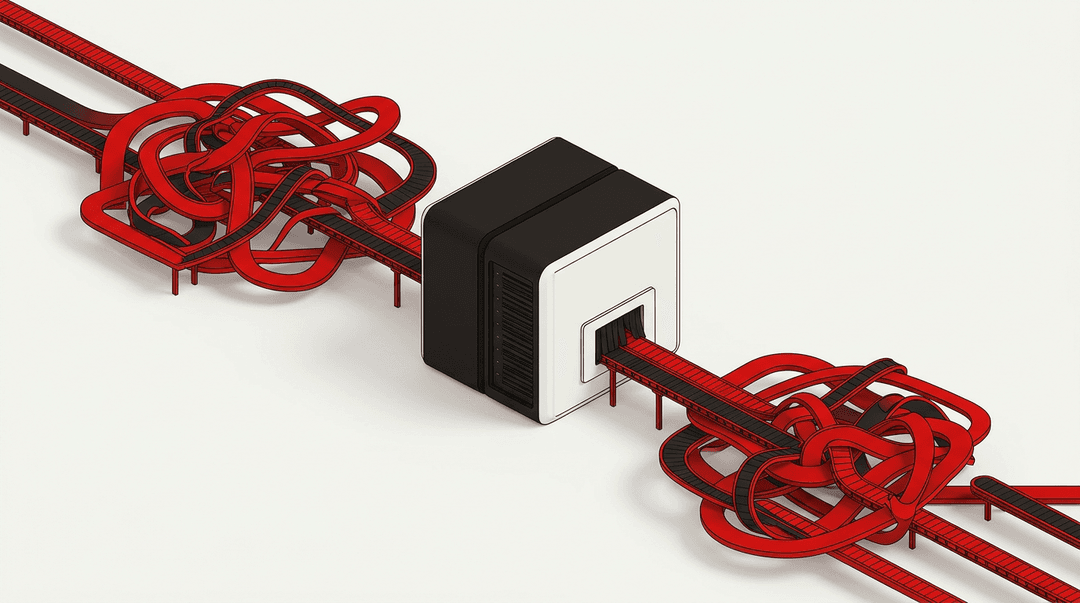
Software doesn’t fix a process. It amplifies it.
Here’s the trap. A messy operation feels like a technology problem because technology is the visible layer. You can see the clunky spreadsheet. You can’t as easily see the broken process underneath it.
But a system only does what your process tells it to do. If your process is clean, software makes it faster and more scalable. If your process is broken, software makes the mess faster and more scalable too. You don’t get order. You get chaos at a higher speed, with a bigger bill attached.
I’ve watched a business spend the better part of a year implementing a shiny new WMS, convinced it would fix their inventory accuracy. It didn’t. Because the real reason their stock numbers were wrong had nothing to do with software. It was that three different people were receiving stock three different ways, and nobody had ever agreed on one. The new system just gave three people three new ways to be inconsistent, except now it cost a fortune and took an IT ticket to change.
The software worked perfectly. It faithfully automated a broken process.
You cannot buy your way out of a problem you haven’t defined.
The questions the vendor will never ask you
A software vendor is not incentivised to tell you that you’re not ready. Their job is to sell you the platform, and the demo is designed to make every problem look like a licensing question. So the questions that actually matter are the ones you have to ask yourself, before anyone shows you a dashboard.
Do you actually understand your current process? Not the version in the SOP document nobody reads. The real one, including every workaround your team quietly relies on to get through the day. If you can’t map how your operation genuinely works today, you have no business automating it, because you’ll simply hardcode today’s mess into an expensive system.
Have you fixed what you can fix for free? A huge amount of operational pain comes from decisions, not tools. One agreed way to receive stock. One person who owns the master data. One clear rule for how exceptions get handled. None of that costs a licence fee, and a surprising amount of it can be sorted before you spend a cent.
What, exactly, do you need this software to do? “Be more efficient” is not a requirement. It’s a wish. If you can’t write down the specific things the system must do and the specific problems it must solve, you can’t evaluate whether any platform actually does them, and you’ll end up buying on vibes and sales energy.
And the big one: is this a technology gap, or a process gap wearing a technology costume? Because if it’s a process gap, no amount of software will close it. You’ll just be the business that bought the Ferrari and still can’t drive.
When software genuinely is the answer
I don’t want to talk you out of buying software. Sometimes it’s exactly the right move, and delaying it holds you back. The point isn’t “never buy.” The point is “earn the right to buy.”
You’re ready when your process is clear enough that you could hand it to a new hire and they’d run it correctly. You’re ready when the thing holding you back genuinely is manual effort and scale, not confusion and inconsistency. You’re ready when you can tell a vendor precisely what you need, rather than hoping they’ll tell you. That’s when software stops being a gamble and becomes a multiplier, because now it’s amplifying something that actually works.
The best implementations I’ve seen weren’t the ones with the biggest budgets or the fanciest platforms. They were the ones where the business had already done the unglamorous work of fixing the operation first, so the software had something solid to stand on.
If you take one thing from this, let it be the sequence.
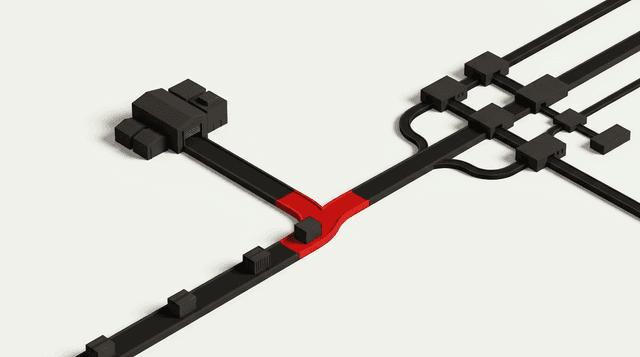
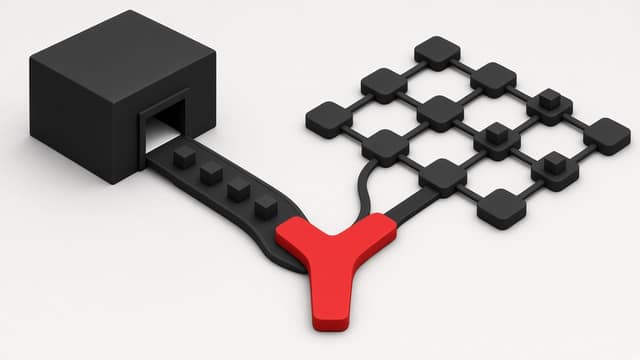
Understand the operation. Fix what you can fix without spending. Define precisely what’s left. Then, and only then, go looking for the tool that closes the gap.
Do it in that order and software becomes one of the best investments you’ll make. Do it in the wrong order and you’ll join the long list of businesses paying a monthly subscription for a monument to a problem they never actually solved.
That’s usually where we come in. Not to sell you a system, we don’t sell software. To help you see your operation clearly, fix what’s broken underneath, and work out whether you even need to buy anything at all. Sometimes the most valuable thing we do is talk a client out of a six-figure purchase they didn’t need.
Because the goal was never to own impressive software. The goal was always to build an operation that works, with or without it.