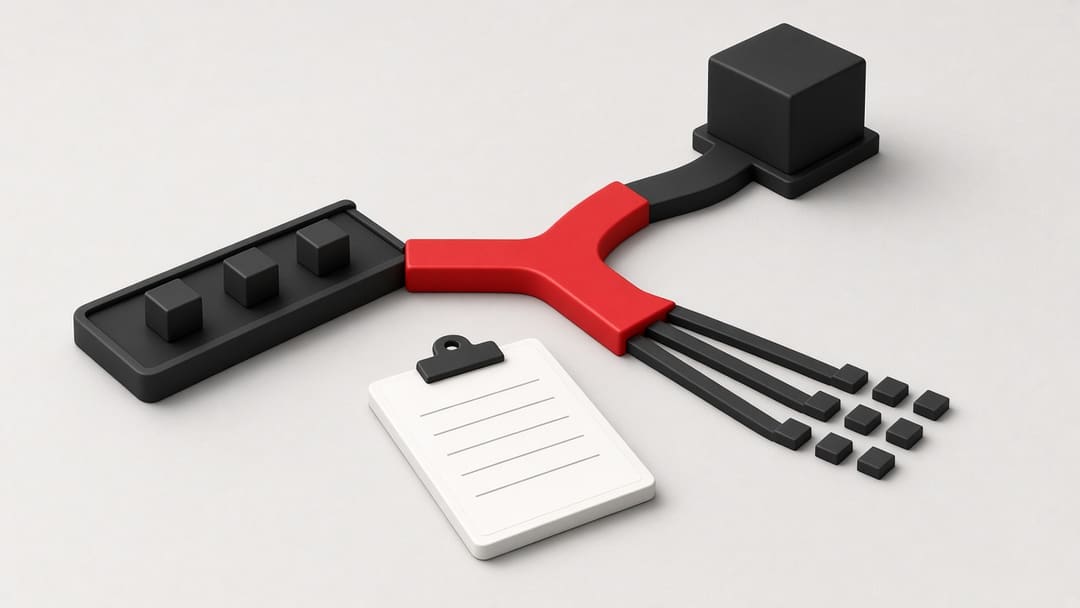
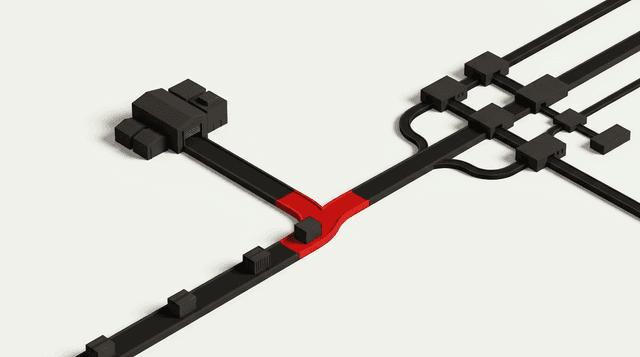
The board pack usually looks finished.
One slide for demand. One slide for the map. One line that says Southeast Asia. A preferred 3PL. A go-live date. Someone has already asked for rates.
That pack feels like progress. It isn't. It's a decision disguised as a plan.
The question the room is answering is the wrong one. It sounds like: which partner covers SEA? The real question is: do we understand each market well enough to brief an operation, or are we buying a logo and hoping the partner invents six processes for us?
I've watched brands spend months negotiating a regional contract, then discover in week three that Indonesia, Vietnam, and Thailand were never the same job. The partner did what partners do. They said yes to the map. The map was the problem.
Coverage is not a brief
A rate card is not an operating model.
When you send a 3PL a spreadsheet of expected volumes and a list of countries, you haven't briefed fulfilment. You've briefed geography. Geography doesn't clear customs. Geography doesn't retry a failed delivery. Geography doesn't decide who pays duty when the invoice is wrong.
So the partner fills the gaps with their default. Their default is built for the average of the last fifty clients, not for your SKU, your cash-on-delivery mix, or your returns promise. You'll feel that average the first time a green regional SLA hides a red country.
This is the same trap as buying software before the process is defined, or outsourcing fulfilment before you know what good looks like. You cannot buy your way out of a process you have not written down. You especially cannot buy six of them with one sentence.
The one-page test before anyone quotes
Before a partner quotes, you should be able to fill one page per market. Not a novel. One page. If you can't, you're not ready to buy.
For each country you think you're entering, answer these in writing:
- What does "delivered" mean here, and who confirms it?
- What happens when the address fails, including who owns the retry and who pays for it?
- How does customs entry actually work for your product, including HS codes, invoice rules, and who decides when something is stuck?
- COD, returns, and refunds: what is the process, not the aspiration?
- What data do you need daily at market level, not as a regional average?
- What is the first market you will get honest before you copy anything?
If those answers are fuzzy, a 3PL quote will only make the fuzz expensive. If those answers are clear, a good partner can price and staff against something real. A weak partner will struggle to hide.
Notice what this test does not ask. It doesn't ask for the cheapest cost per parcel. It asks whether you have an operation to hand over. Brands that skip this don't select partners. They audition slides.
One go-live is usually six launches
Treat a regional go-live as a single event and you will launch the easiest market in your head, then discover the others later under fire.
The operators who don't get ambushed sequence it. They pick one market they can see. They define the process. They run it until the exceptions are boring. Then they copy what they learned, market by market, and they change what doesn't travel.
Copying is the point. You cannot copy a blob on a map.
That also changes how you buy. Sometimes the right answer is one partner with real depth in your first market. Sometimes it's a hybrid: control where the brand promise lives, reach where volume or local quirk demands it. The decision comes after the brief, not before it.
What "ready" looks like
You're ready to talk to partners when a new hire could take your per-market pages and not invent half the job. You're ready when your leadership can name the first market without flinching. You're ready when visibility means country-level truth, even if someone else moves the parcels.
You're not ready when the plan is "SEA," the date is fixed, and the brief is a rate request.
Do the unglamorous page first. Name the markets. Write the process. Then go looking for the partner. In that order.
That's usually where we come in. Not to pick your 3PL from a shortlist of logos. To help you write the brief that makes a shortlist meaningful, and to stop a regional launch from becoming six surprises with one invoice.
Because the goal was never to enter a region on a slide. The goal was to stand up operations that still work when the volume arrives, in the markets they actually live in.